Introduction
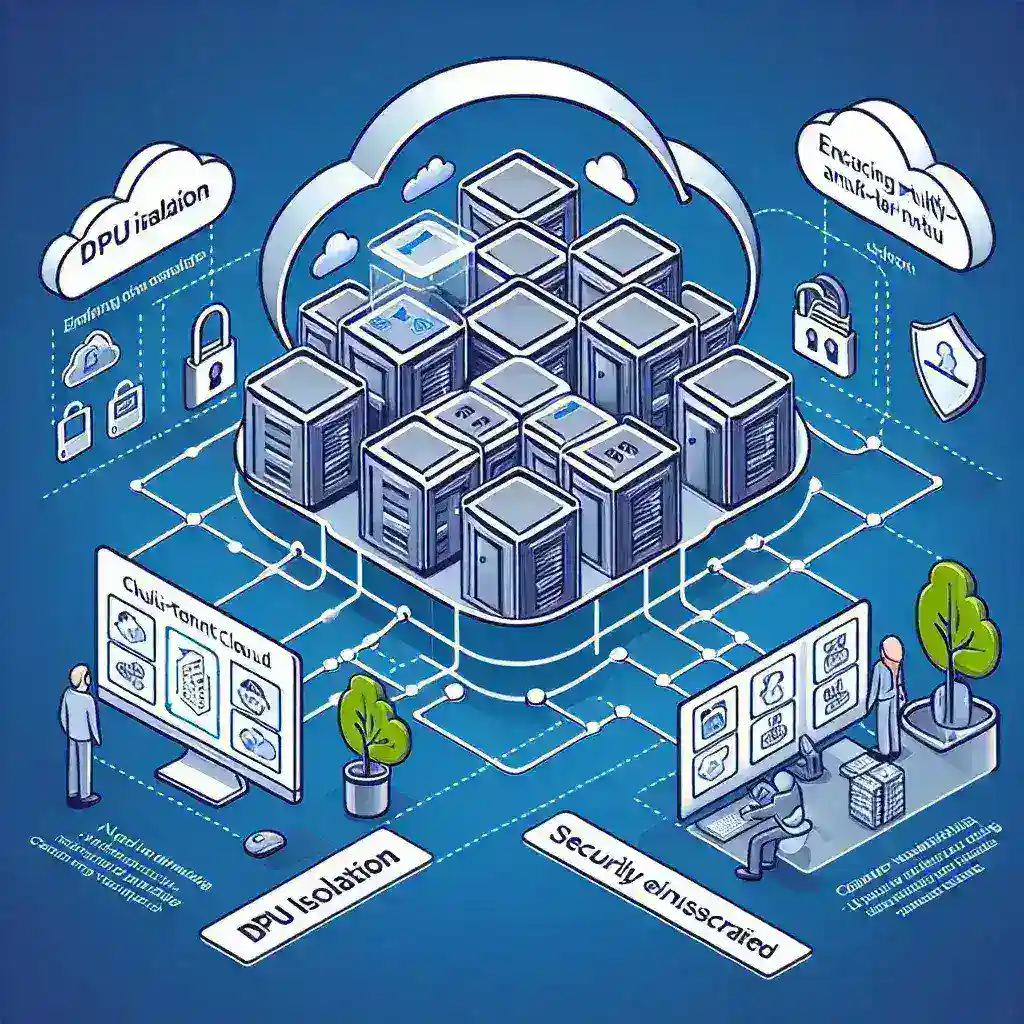
The adoption of cloud technology has transformed how organizations operate, allowing for improved flexibility, scalability, and cost-effectiveness. However, with the shift to multi-tenant cloud environments comes the crucial challenge of security. As multiple clients share the same infrastructure, the risk of data breaches and unauthorized access escalates. This article delves into how DPU isolation enhances multi-tenant cloud security and why it is vital for modern enterprises.
Understanding Multi-Tenant Architecture
Multi-tenant architecture refers to a cloud computing model where multiple customers share the same application or infrastructure while keeping their data isolated. This architecture is prevalent in Software-as-a-Service (SaaS) solutions due to its cost-effectiveness and efficiency. However, the shared nature of resources poses inherent security risks.
Key Challenges in Multi-Tenant Security
- Data Breaches: Unauthorized access can lead to sensitive data exposure.
- Compliance Risks: Organizations must adhere to regulations such as GDPR and HIPAA.
- Resource Contention: Performance issues may arise from resource sharing.
- Insider Threats: Employees with access to the cloud can pose risks if not managed properly.
Introduction to Data Processing Units (DPUs)
DPUs are specialized processors designed to handle data-centric tasks, such as data management and processing. By offloading these tasks from the Central Processing Unit (CPU), DPUs enhance performance and efficiency. Their role in multi-tenant environments is crucial, as they can provide isolation between tenants.
How DPU Isolation Enhances Security
1. Physical and Logical Isolation
DPU isolation creates a significant barrier between tenants. Each tenant’s processing tasks run on dedicated DPU resources, ensuring that one tenant’s workload does not interfere with another’s. This physical and logical separation mitigates the risk of data leakage and unauthorized access.
2. Improved Resource Management
By managing resources more effectively, DPUs reduce the risk of performance degradation that can lead to security vulnerabilities. When resources are allocated efficiently, the chances of over-provisioning or under-provisioning decrease, thus enhancing overall security posture.
3. Enhanced Monitoring and Compliance
DPUs come equipped with advanced monitoring capabilities, allowing administrators to track data flows and access patterns. This real-time visibility aids in identifying potential threats and ensuring compliance with regulatory standards.
4. Tailored Security Policies
With DPU isolation, organizations can implement tailored security policies for each tenant. This customization allows for specific security measures tailored to the unique needs of different clients, thus enhancing protection without compromising performance.
5. Reduced Attack Surface
By isolating workloads at the DPU level, the attack surface is significantly reduced. This means that even if one tenant’s environment is compromised, the impact on others is minimized, providing an added layer of security.
Real-World Applications of DPU Isolation
Several leading cloud service providers are now leveraging DPU isolation to enhance their security frameworks. These implementations showcase how organizations can benefit from adopting this technology:
Case Study 1: Financial Institutions
A prominent financial institution implemented DPU isolation to comply with stringent regulations while providing services to multiple clients. The isolation enabled them to create separate security zones for each tenant, thereby protecting sensitive transaction data and ensuring regulatory compliance.
Case Study 2: Healthcare Sector
In the healthcare sector, a cloud provider used DPU isolation to manage patient records securely. By isolating data processing tasks, they ensured that patient information remained confidential, adhering to HIPAA guidelines while delivering efficient services.
Future Predictions: The Evolution of DPU Isolation
As cyber threats continue to evolve, the importance of DPU isolation in multi-tenant environments will only grow. Future trends may include:
- Integration with AI: Leveraging AI to enhance threat detection capabilities through DPU isolation.
- Adoption of Quantum Computing: Preparing for quantum-resistant security measures.
- Regulatory Developments: Staying compliant with ever-evolving data protection regulations.
Conclusion
The role of DPU isolation in enhancing multi-tenant cloud security is undeniable. By providing physical and logical separation, improving resource management, and enabling tailored security policies, DPUs are shaping the future of secure cloud computing. Organizations looking to thrive in a multi-tenant environment must prioritize DPU isolation as a cornerstone of their security strategy.