Introduction
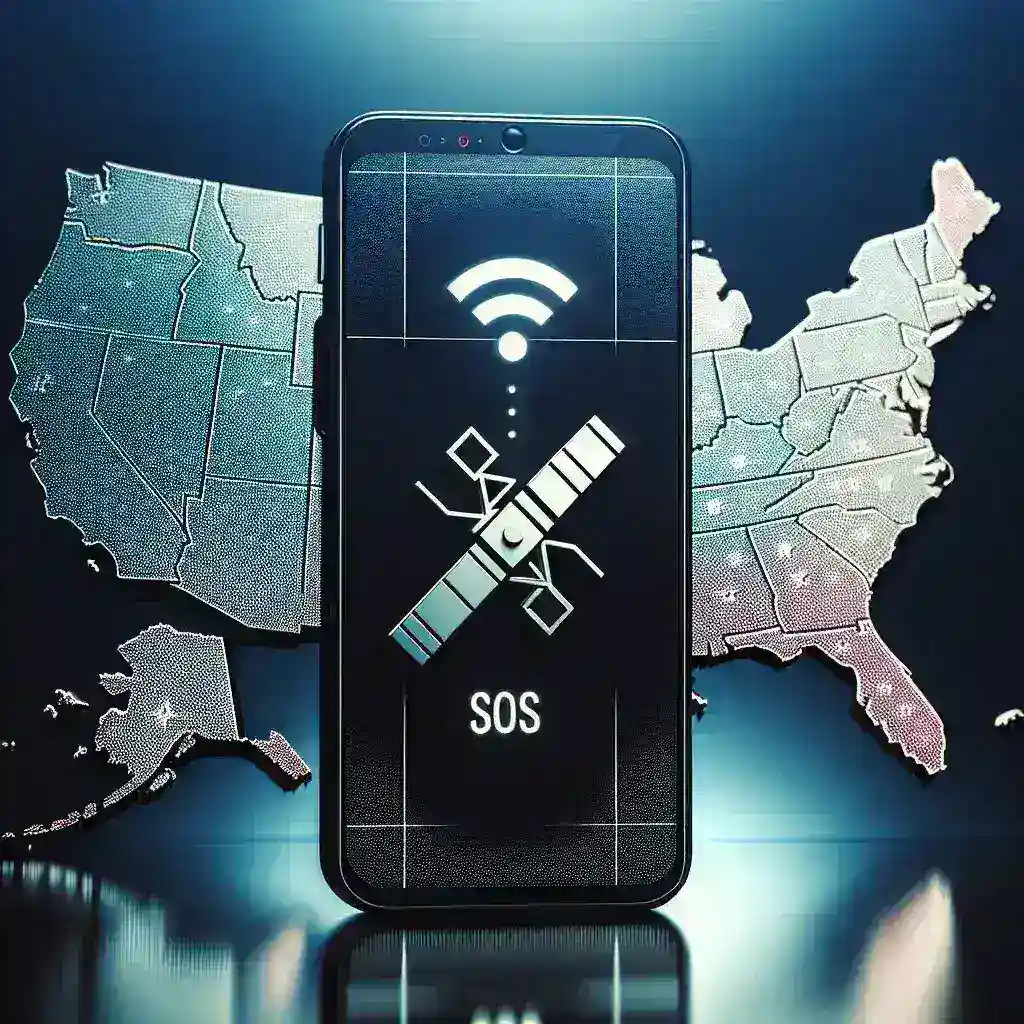
In an age where mobile technology continues to evolve at a breathtaking pace, the latest update to mobile operating systems (OS) has introduced significant enhancements that promise to redefine emergency communication. Specifically, the ability to initiate Emergency SOS via satellite has been extended to more U.S. states, a feature that could save countless lives. This article delves into the mechanics of these updates, the historical context surrounding emergency response technologies, and the future implications for users across the nation.
The Evolution of Emergency SOS Features
The concept of emergency response through mobile devices is not new. Traditionally, users have relied on cellular networks to call for help. However, as natural disasters and remote incidents continue to spike, the need for alternative communication methods has become evident. The introduction of satellite-based emergency SOS services marks a pivotal moment in this evolution.
Historical Context
Historically, satellite communication was a luxury primarily used by professionals and adventurers in remote locations. However, the increasing frequency and severity of emergencies have highlighted the need for widespread access. Over the past decade, advancements in satellite technology and mobile integration have made it feasible for the average smartphone user to reach emergency services, even when traditional cellular networks fail.
Recent Mobile OS Updates
The recent updates across various mobile operating systems, including iOS and Android, have significantly enhanced the functionality of emergency SOS features. Here’s a closer look:
- Satellite Communication: Users can now send distress signals via satellite connections, ensuring they can reach emergency services even in areas without cellular coverage.
- Geolocation: These updates allow the precise location of the user to be transmitted, making it easier for rescue teams to find individuals in distress.
- Expanded Coverage: The feature is now available in more U.S. states, broadening access to critical services for millions.
How the Emergency SOS Feature Works
The operation of the emergency SOS via satellite is remarkably straightforward:
- Activation: Users can activate the SOS feature by pressing a specific combination of buttons on their device.
- Signal Transmission: The device sends a distress signal to a satellite, which then relays the information to the nearest emergency service provider.
- Response: Emergency personnel receive the signal along with geolocation data, allowing for rapid deployment of rescue teams.
Implications of Extended Coverage
The extension of the emergency SOS feature to more states has far-reaching implications:
1. Enhanced Safety
With the capability to reach emergency services in previously inaccessible areas, users can feel more secure, particularly in remote regions. Whether hiking, camping, or traveling in rural areas, individuals now have a reliable lifeline.
2. Increased Preparedness
As more users become aware of this feature, communities can foster a culture of preparedness. Educational campaigns can inform the public about the importance of mobile SOS capabilities and how to utilize them effectively.
3. Technological Advancements
The introduction of satellite SOS has triggered further investment in emergency technology, prompting mobile manufacturers and developers to innovate and enhance their systems continuously.
Challenges and Considerations
While the advantages are numerous, several challenges remain:
- Device Limitations: Not all mobile devices are equipped with the necessary technology to utilize satellite communications effectively.
- Awareness and Education: Users must be educated about the SOS feature and how to activate it in an emergency.
- Cost Factors: While many manufacturers offer this feature in their latest devices, ongoing service contracts and costs for satellite communication may deter some users.
Future Predictions
The future of mobile OS updates and emergency SOS features looks promising. As technology advances, we can anticipate:
- Broader Satellite Networks: Wider coverage with more satellites will ensure that users can access emergency services from virtually any location.
- Integration with Other Technologies: Future updates may integrate with wearables and smart devices to provide additional layers of security and communication.
- Global Standards: As more countries adopt similar technologies, a standardized approach to emergency SOS services via satellite could emerge, simplifying usage for travelers.
Conclusion
The recent mobile OS updates enabling emergency SOS via satellite in more U.S. states represent a monumental step forward in ensuring user safety and enhancing emergency response capabilities. As technology continues to evolve, we can expect even greater integration of these features into our daily lives, making the world a safer place, one mobile device at a time.